Manmatha मन्मथ

मदन · काम · मन्मथ

Manmatha

Clothing woven from the language of longing, the mythology of desire, the grace of the divine.

Enter the Wardrobe
शृंगार Shringara काम Kama रति Rati वसन्त Vasanta पुष्प Pushpa
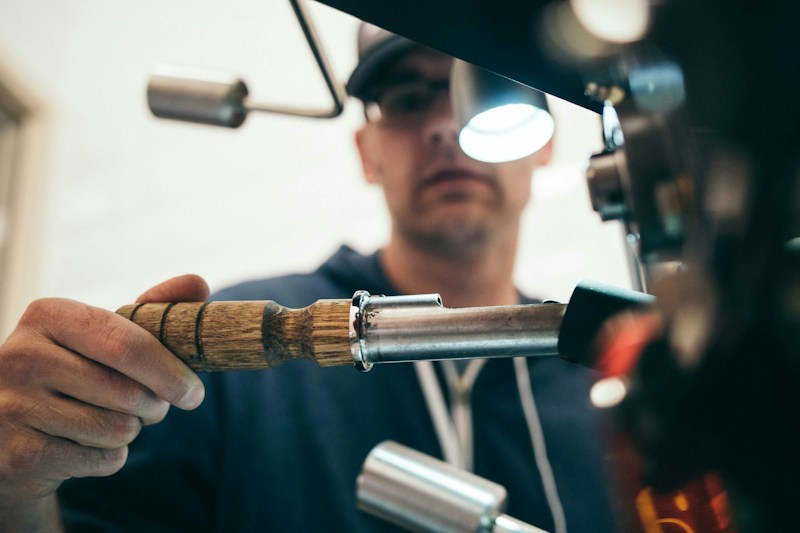
Detail of hand-embroidered fabric
The one who stirs the mind.

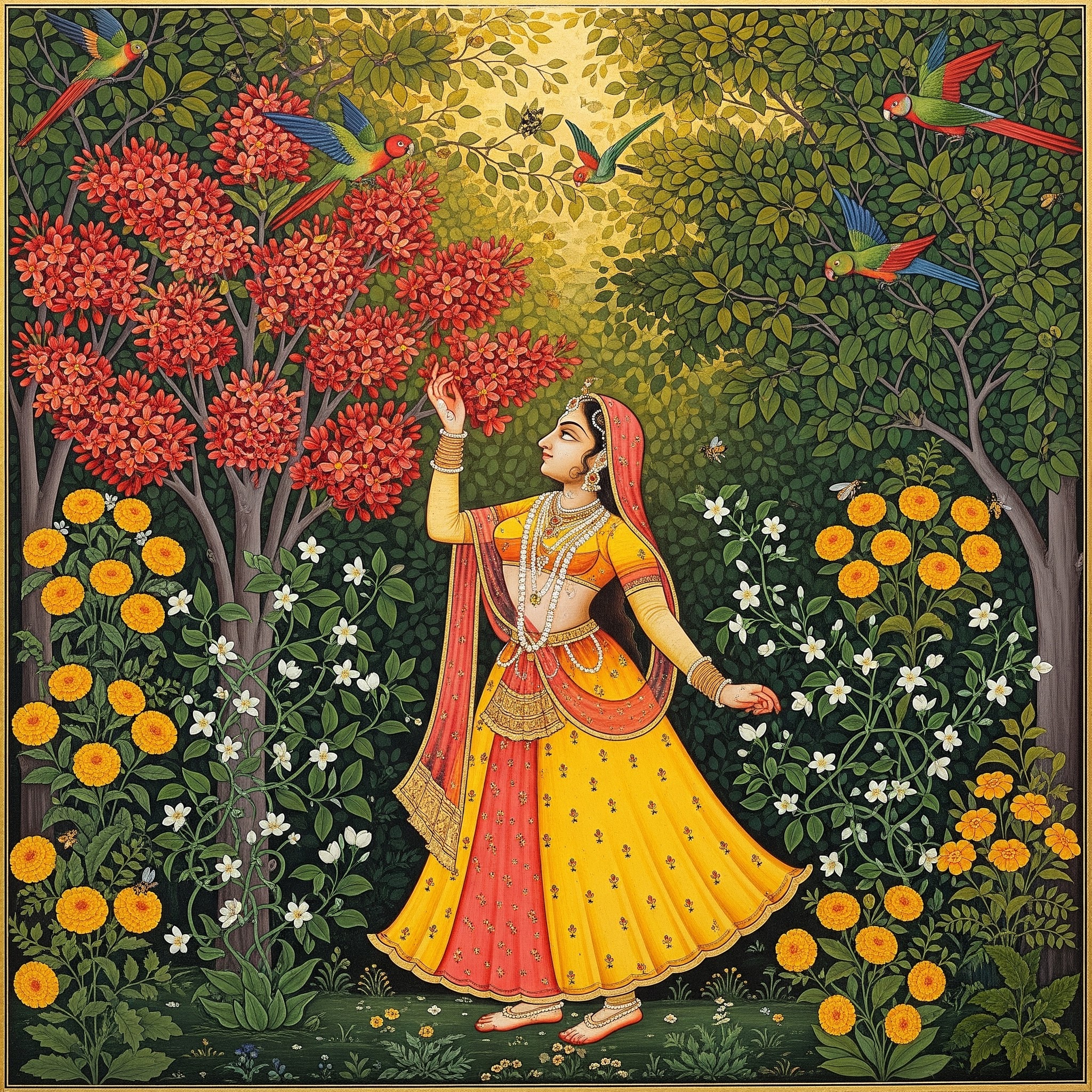
Manmatha — also known as Kamadeva, Madana, Kandarpa — is the Hindu god of love and longing. He carries a bow of sugarcane, strung with a line of bees. His arrows are flowers: each one the name of a longing — captivation, intoxication, delusion, fever, the burning of separation.

He does not compel. He awakens. He is the force that moves the unmovable, the warmth that turns a season. He is not desire as weakness — he is desire as the most human of all divine forces.

This brand takes his name. And his understanding.

Read the full story
The Ones Who Inspired the Cloth

Each garment is named for a deity, a nymph, or a force from the world of Manmatha. These are their stories.

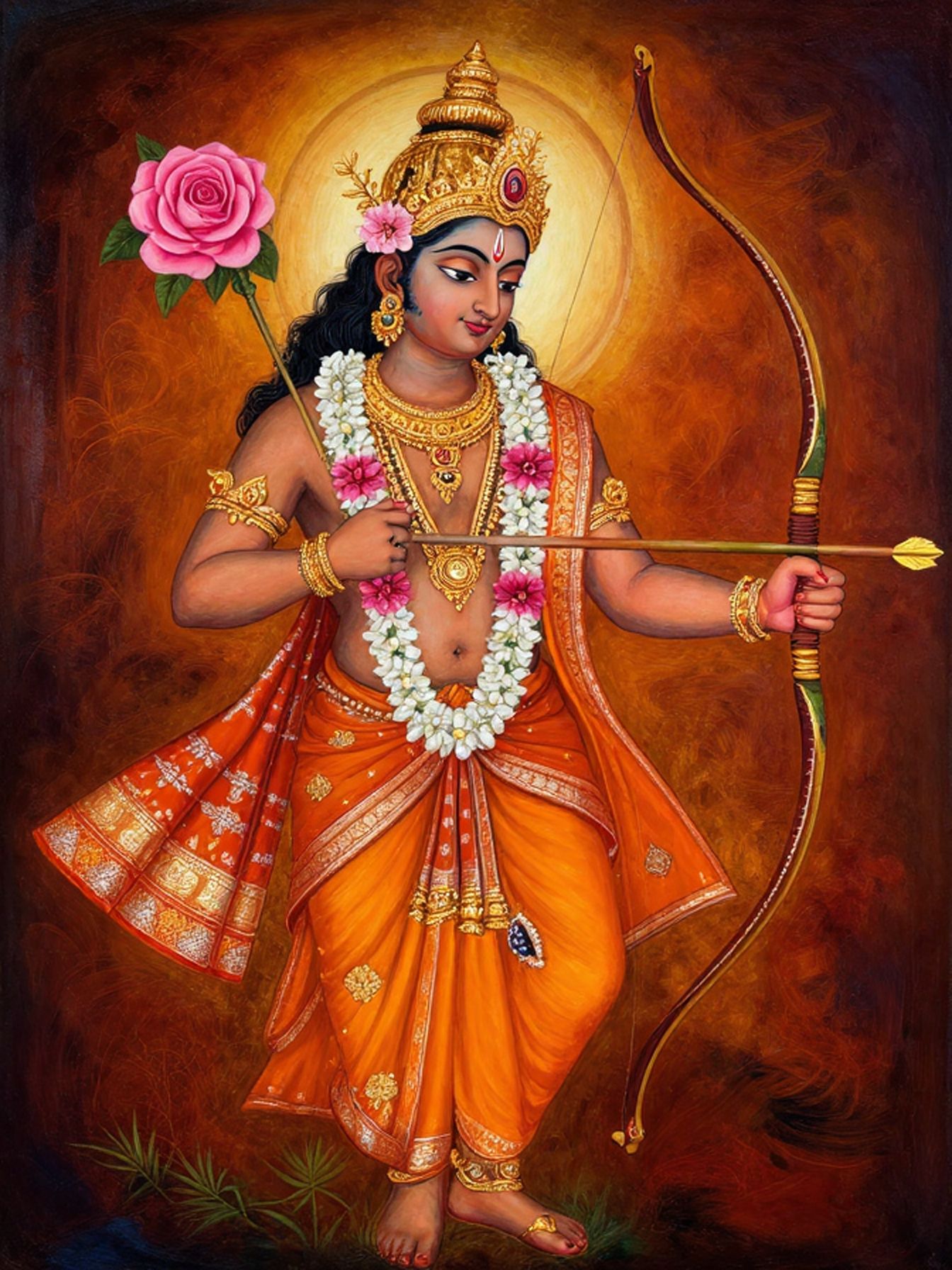
Kamadeva
Kamadeva The Divine Archer

God of love and longing. His five flower-tipped arrows each carry a different shade of desire — fascination, fever, intoxication, delusion, and the burning of absence.

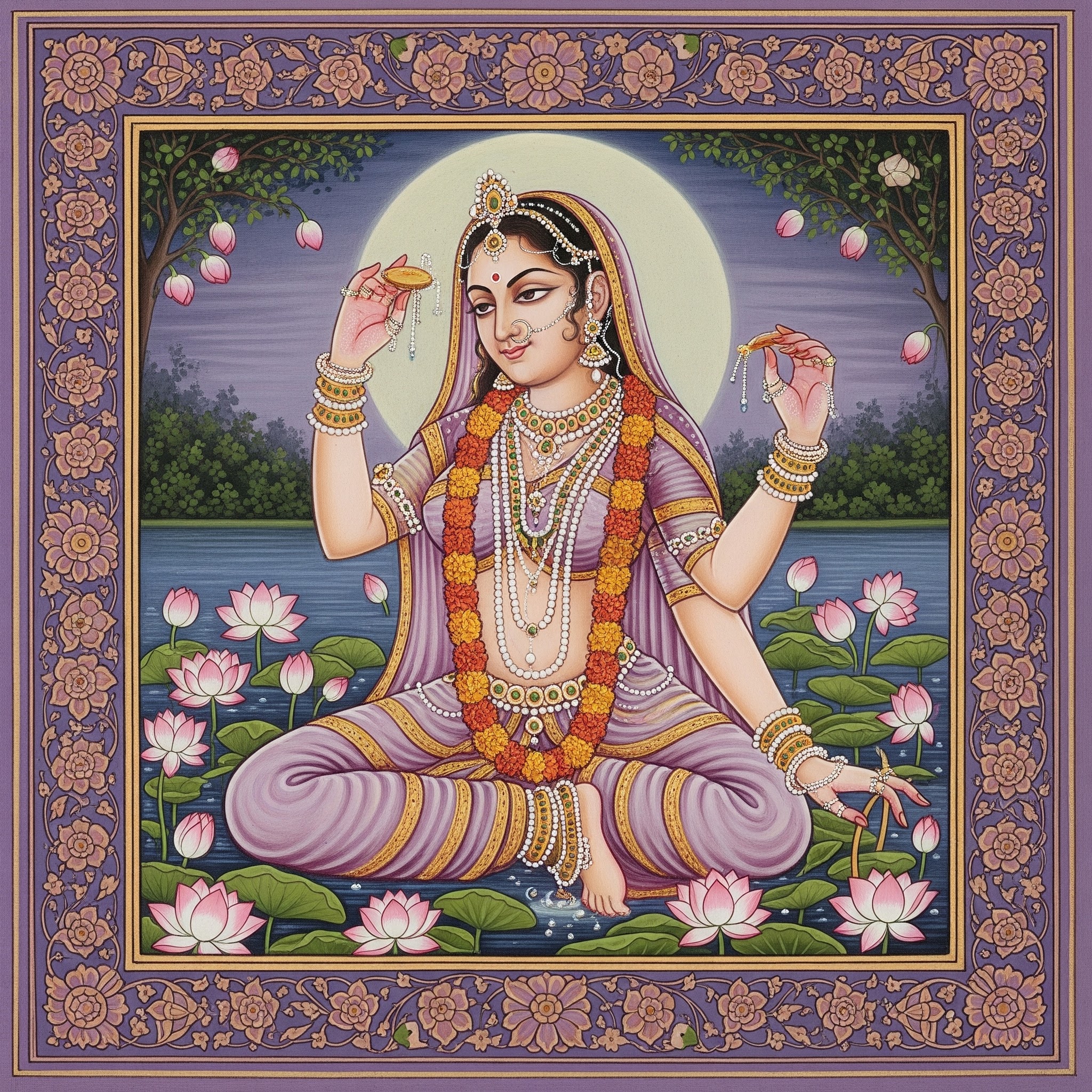
Rati
Rati Goddess of Passion

Consort of Kamadeva. Rati is not a complement — she is sovereign. She chose love as her dominion not because she had no other choice, but because she understood it most completely.

Vasanta
Vasanta Companion of Spring

Vasanta — spring personified — is Manmatha's constant companion. Where Kamadeva goes, spring follows. Where spring arrives, everything that was dormant becomes possible again.

Clothes That Carry a Story

Each garment is named, storied, and made to be worn with the understanding of what it carries.

Every garment is made, not assembled.

Each Manmatha piece is touched by hand at four to six stages — from loom to thread to needle to finish. These are the techniques our wardrobe is built on.

01

Zardozi

Metal-thread embroidery

A 700-year-old technique from Mughal India. Real silver and gold thread couched onto silk, often raised over a cotton padding to catch light from every angle. Reserved here for the most ceremonial pieces — Shringara, Manmatha Saree, Urvashi.

02

Aari

Hooked-needle chain stitch

The artisan works on a wooden frame, pulling silk thread up through the fabric with a fine hooked needle. The chain stitch produces a continuous, fluid line — ideal for the sugarcane bow and arrow motif of Kamadeva.

03

Kantha

Running stitch from Bengal

Originally a way to repurpose old saris, kantha layers running stitches into images of stunning patience. Tonal kantha — thread that matches the cloth — appears on the quieter pieces in our wardrobe, including the Rati Linen Set.

04

Mukaish

Hammered metal-stamp

A nearly-lost art from Lucknow. Tiny strips of flattened metal are inserted directly into the cloth, producing reflective constellations across the surface. Used sparingly on Urvashi and Padmavathi.

05

Bagh & Sanganeri

Hand block-print

Two of Rajasthan's most distinct block-print traditions. We use them on the Kama Co-ord, the Vasanta Overshirt, and the Padmavathi set — natural dyes only, hand-pressed onto cotton and linen.

Desire is not something to be hidden
it is a language to be worn.

Every civilization that has understood beauty has understood that the body is not a thing to be concealed from meaning — it is the first canvas. Manmatha was the name Sanskrit gave to the force that makes beauty matter. We take that name seriously.

✦ ✦ ✦
Read the full vision